Ember-Resistant Vent Mesh Installation
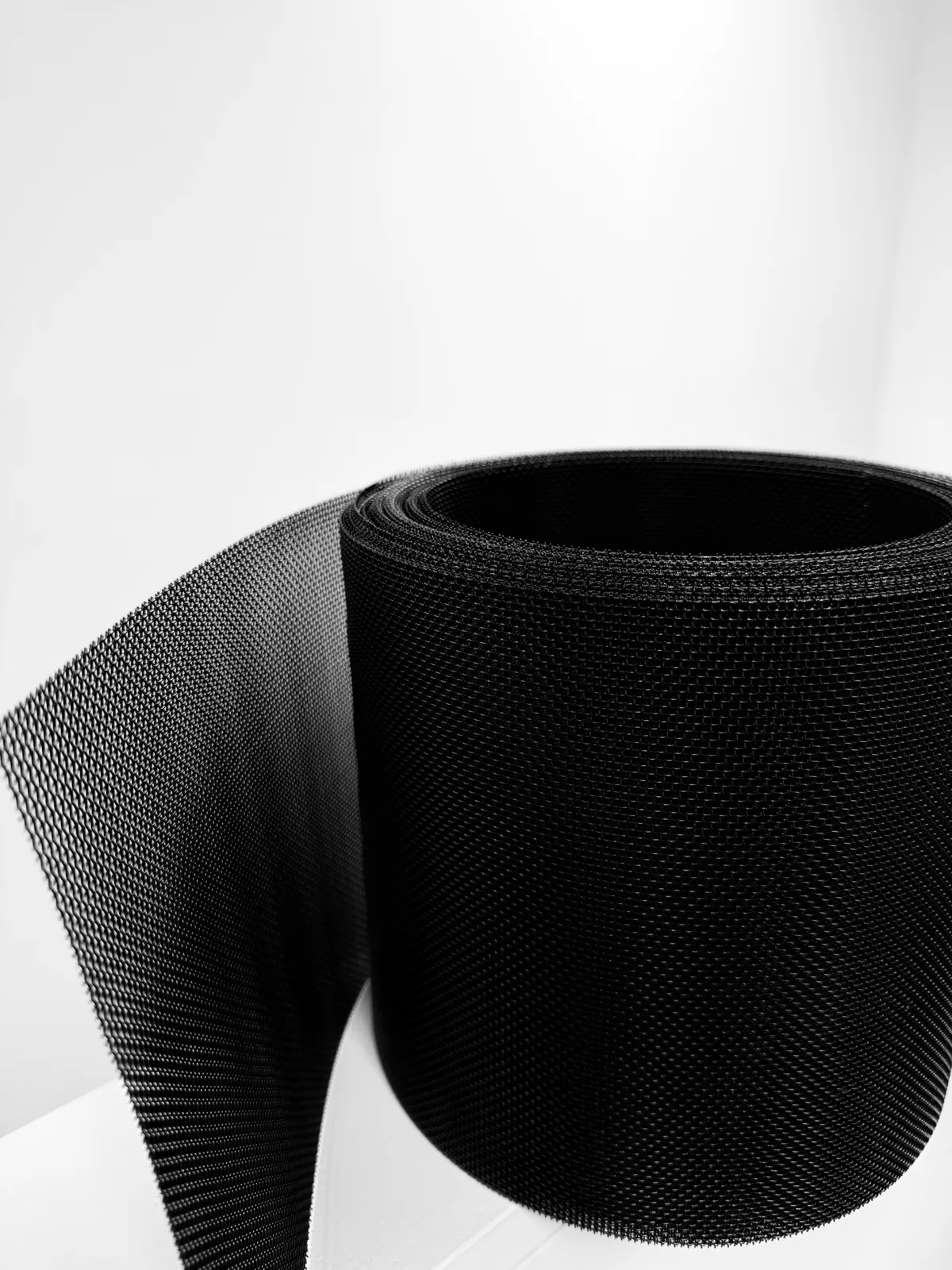
The lowest-cost way to start hardening your home. We screen every non-exhaust vent, eave, and opening with 1/16 inch non-combustible metal mesh that blocks wind-driven embers, and you can upgrade to fully listed ember-resistant vents later.
CA Licensed & Insured, CSLB #1139619 · Free on-site risk assessment.
Why Mesh
Embers get in through the openings you never think about.
Attic, eave, gable, foundation, and crawlspace vents are open pathways by design. In a wildfire, wind-driven embers ride straight through standard louvers and insect screen, land on stored materials or framing inside, and ignite the structure from the inside out.
1/16 inch non-combustible metal mesh, fitted and fastened over those openings, screens the ember sizes that start structure fires. It closes the pathway without closing the vent.
Be clear about tiers. Mesh is the budget measure that gets ember protection on the home fast. Fully listed ember-resistant vents are the stronger, code-listed solution because they also seal under heat. Mesh upgrades to listed vents cleanly when you are ready.
What We Install
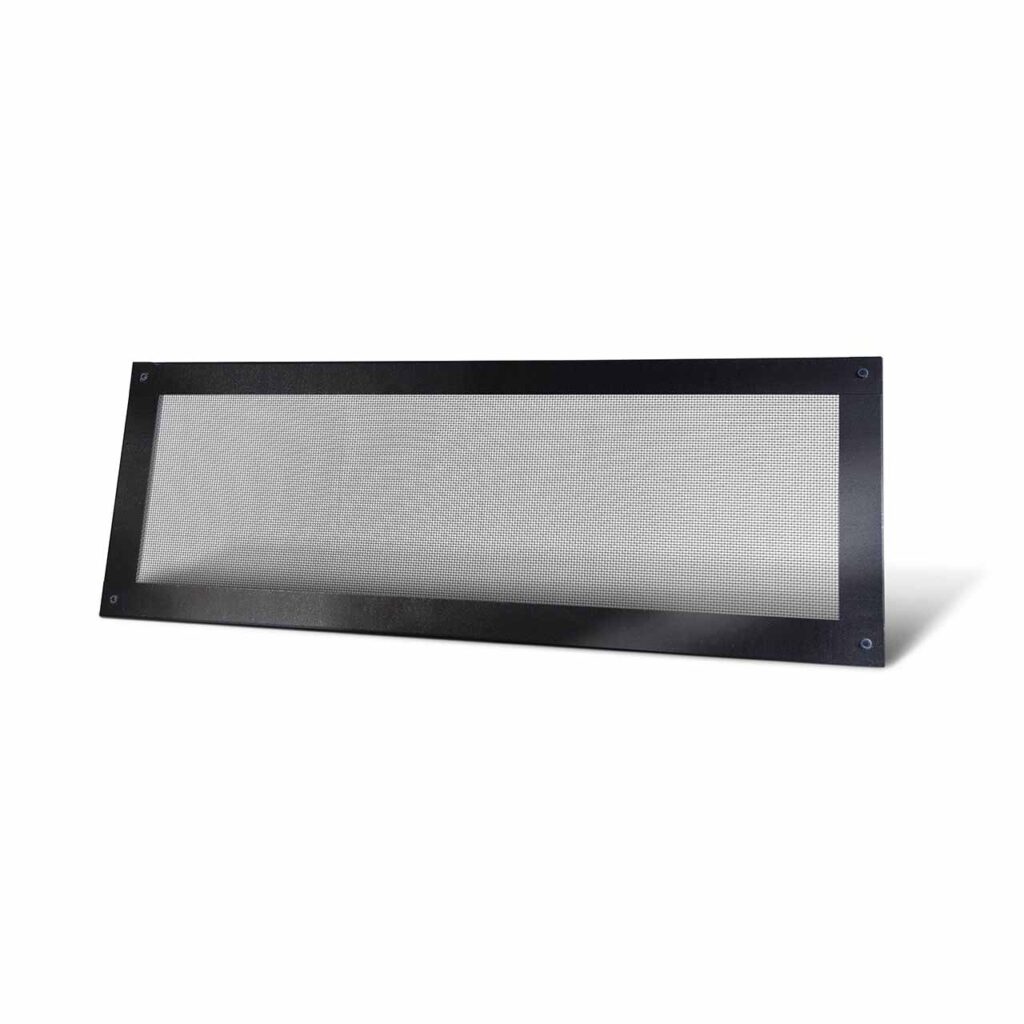
1/16 inch non-combustible metal mesh, fitted to every opening.
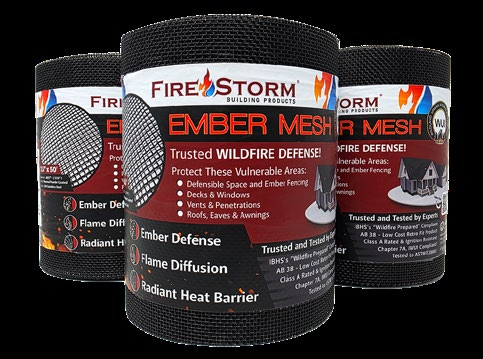
- Corrosion-resistant metal, stainless or coated for coastal and inland climates
- 1/16 inch aperture, aligned with WUI guidance for ember screening
- Non-combustible, no plastic components that can melt in radiant heat
- Fitted and mechanically fastened over the opening, not loose insect screen
- Every non-exhaust vent screened; exhaust vents inspected and left functional
Mesh vs Listed Vents
Mesh is the budget tier. Listed vents are the strongest protection.
Ember-Resistant Mesh
Lowest cost. Screens wind-driven embers at every non-exhaust opening. The right first step when the priority is getting ember protection on the home fast, then upgrading.
Listed Ember-Resistant Vents
Screen embers and seal under heat. Code-listed to ASTM E2886 and recognized under California Chapter 7A. The strongest option and the one insurers most often expect to see documented.
How We Work
Five steps, no surprises.
01
Free risk assessment
We inventory every vent, eave, and opening on the home and flag the highest-risk pathways.
02
Written estimate
Clear scope, per-opening count, no pressure and no surprise line items later.
03
Installed to spec
1/16 inch non-combustible mesh, mechanically fastened over every non-exhaust opening.
04
Documented
Photos and a written summary you can share with your insurer.
05
Careful on site
Trained and fully insured for ladder and roof work. We protect landscape and finishes, clean up as we go, and leave the property as we found it.
Recent Work
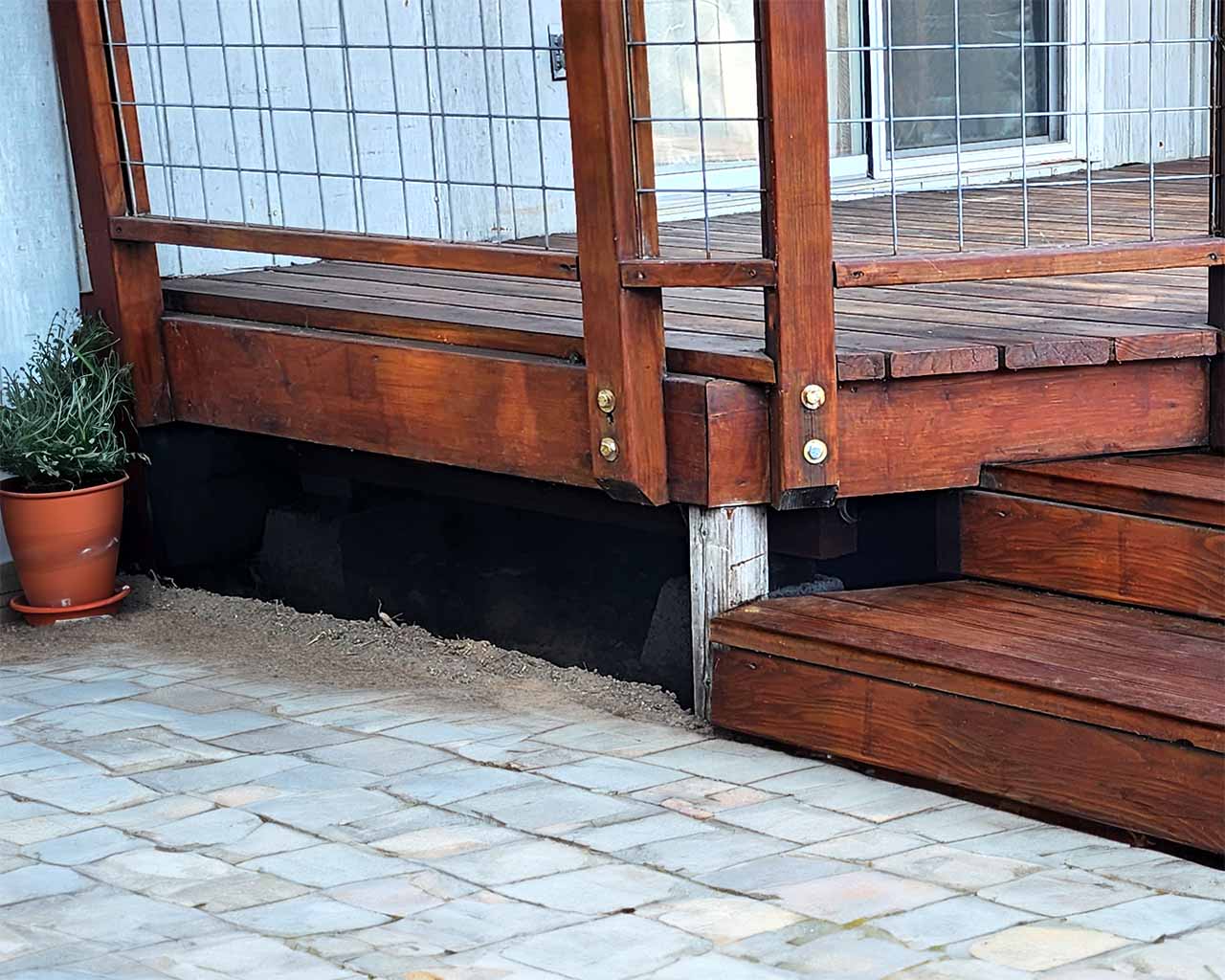
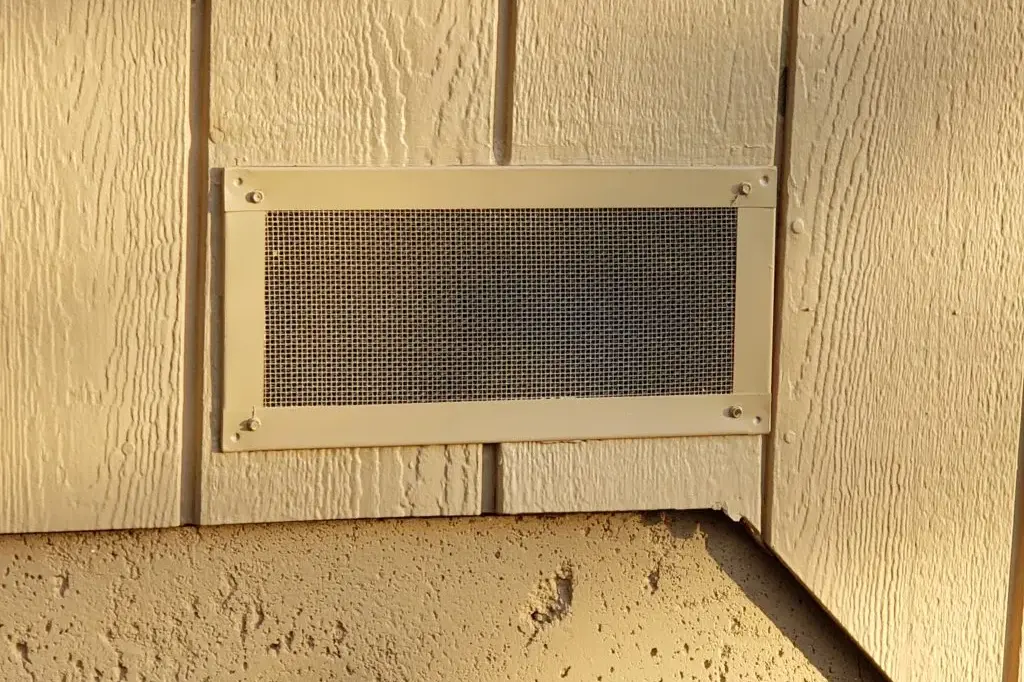
Screened clean, every opening.
FAQ
What homeowners ask us about ember-resistant mesh.
What is ember-resistant mesh and why 1/16 inch?
Ember-resistant mesh is non-combustible metal mesh, typically stainless or coated, fitted over vents and openings to screen wind-driven embers. The 1/16 inch aperture aligns with wildland-urban interface guidance because it is fine enough to block the ember sizes that ignite structures, while still allowing the airflow vents need to function. Standard insect screen is not a substitute, it lets ember-sized particles through.
Does mesh make my home Chapter 7A compliant?
Not by itself. Ember-resistant mesh is a strong lower-cost measure that screens embers today. Chapter 7A of the California Building Code recognizes listed ember-resistant vent assemblies as the code-listed solution, and fully listed vents also seal under heat. Mesh is designed as a first pass in ember country. It closes the openings now, and it upgrades cleanly to listed ember-resistant vents when you are ready.
Which openings do you mesh?
We mesh every non-exhaust vent on the home: attic vents, eave and soffit vents, gable and dormer vents, and foundation and crawlspace vents. Exhaust vents, dryer, bath fan, range hood, are inspected and left functional because they need to vent, but we assess them for backdraft and ember exposure and note anything the homeowner should watch.
Will mesh reduce my attic ventilation?
It is installed to preserve net free area. The mesh restricts particle passage more than airflow, and when needed we scale opening area so total ventilation stays inside the range the attic was designed for. If a vent is already undersized, we flag it in the written estimate before install.
Can I upgrade to listed vents later?
Yes, that is the intent. Mesh is designed as an affordable first step. When you are ready for the strongest protection, listed ember-resistant vents replace the mesh and add the heat-activated closure that mesh alone cannot provide. Nothing about the mesh install prevents that upgrade.
No product, install, or risk assessment can guarantee that a home will survive a wildfire.
Free On-Site Risk Assessment
Start with mesh. Harden from there.
Book a free on-site risk assessment. We walk the home, count every opening, and put a written scope in your hands. Monday through Saturday, 8am to 6pm.