Fire-Resistant Fence & Gate Installation
A wood fence bolted to your house is a wick. It carries flame straight to the wall. We replace it with non-combustible aluminum and fire-resistant vinyl fencing and gates that stop fire before it reaches the structure.
CA Licensed & Insured, CSLB #1139619 · Free on-site risk assessment.
Why Fencing
Your fence is a fuse leading to your house.
A combustible wood fence or gate attached to the home is a direct flame path into the wall. Embers land in the dry wood, ignite the pickets, and the fire runs the fence line toward the structure until it climbs the siding or the eave.
California's Zone 0, the first 5 feet around the structure, is where non-combustible materials matter most. Anything that ignites in this zone goes straight into the wall. A wood fence in Zone 0 is a known ignition path.
We replace the fence and gate at the structure so fire has nothing to climb. Non-combustible aluminum at the wall, fire-resistant vinyl on privacy runs where it fits.
What We Install
Non-combustible aluminum. Fire-resistant vinyl. Your pick.
Aluminum, non-combustible
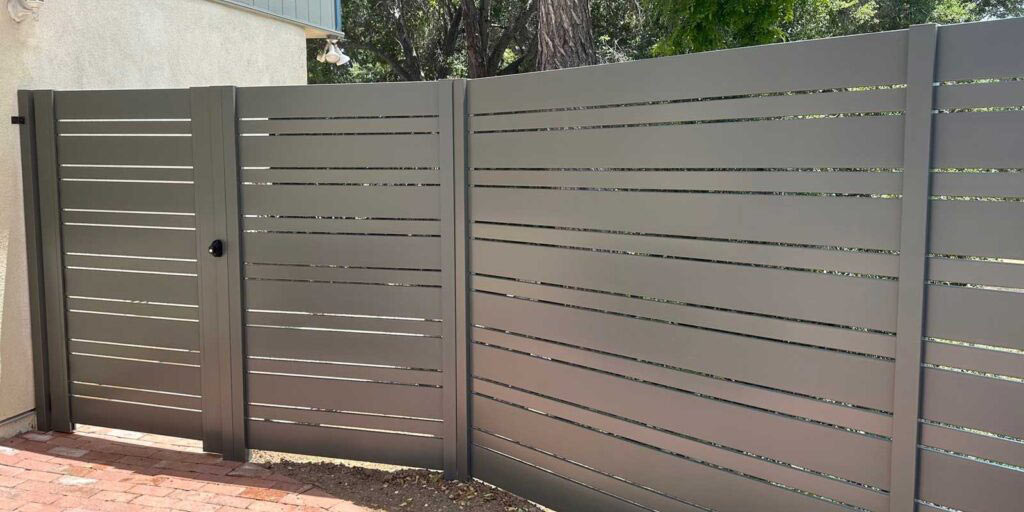
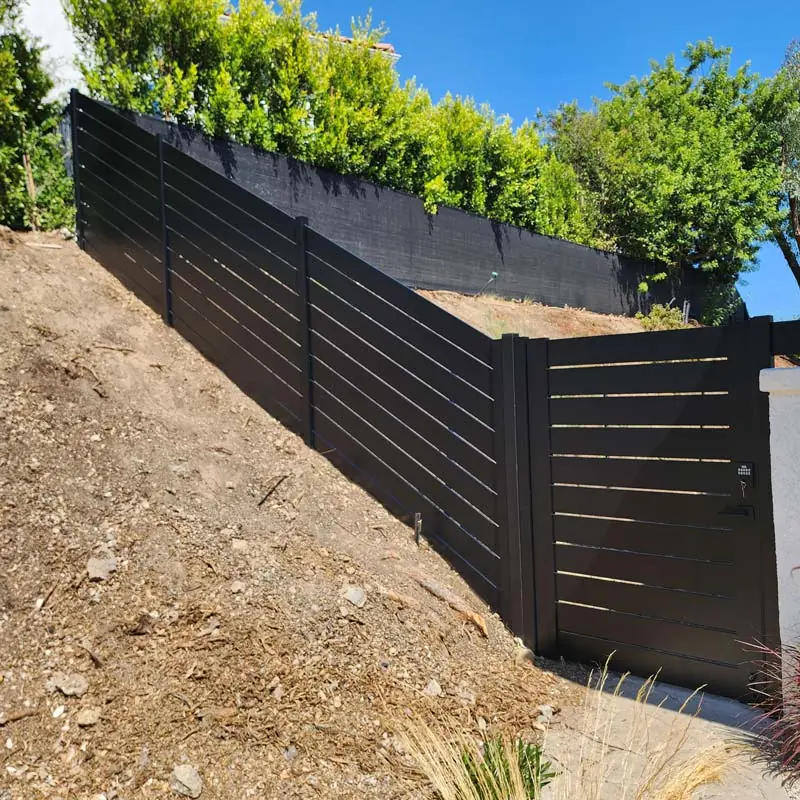
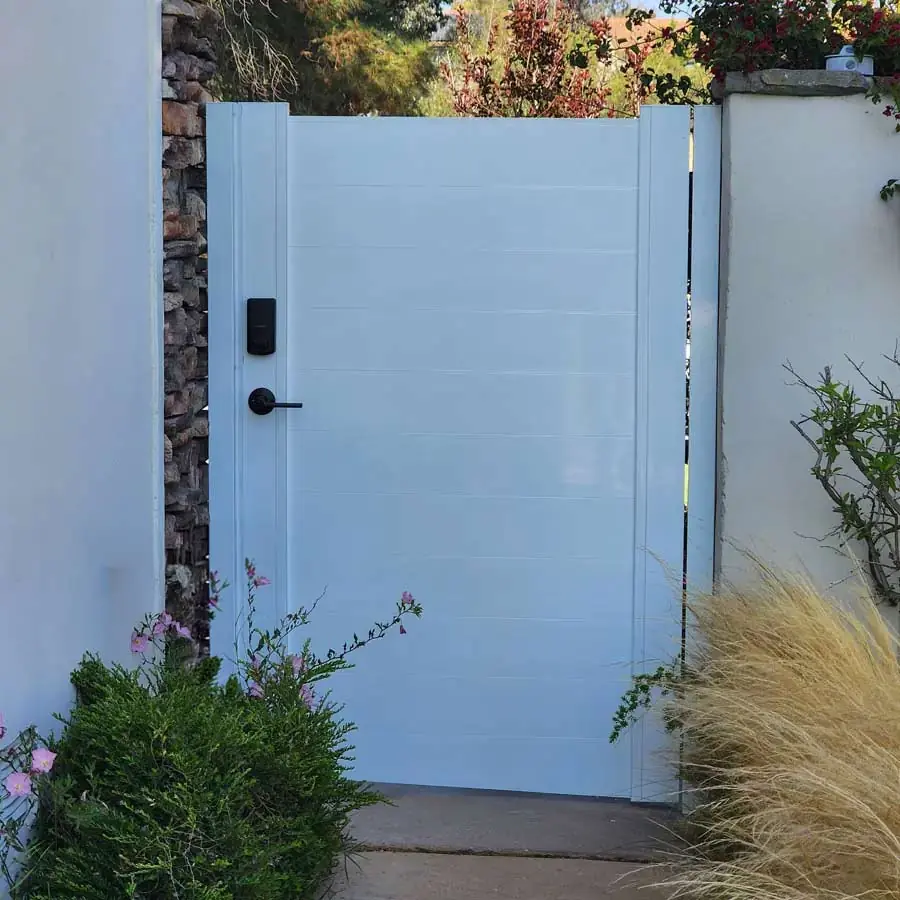
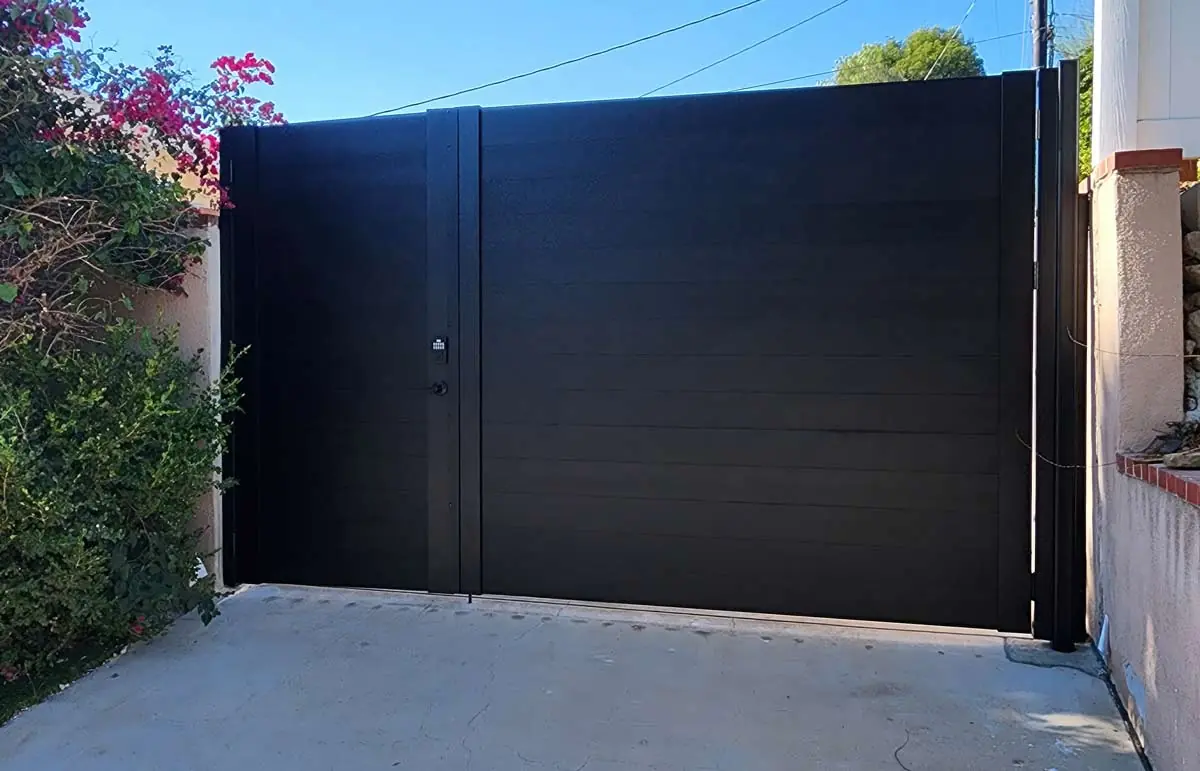
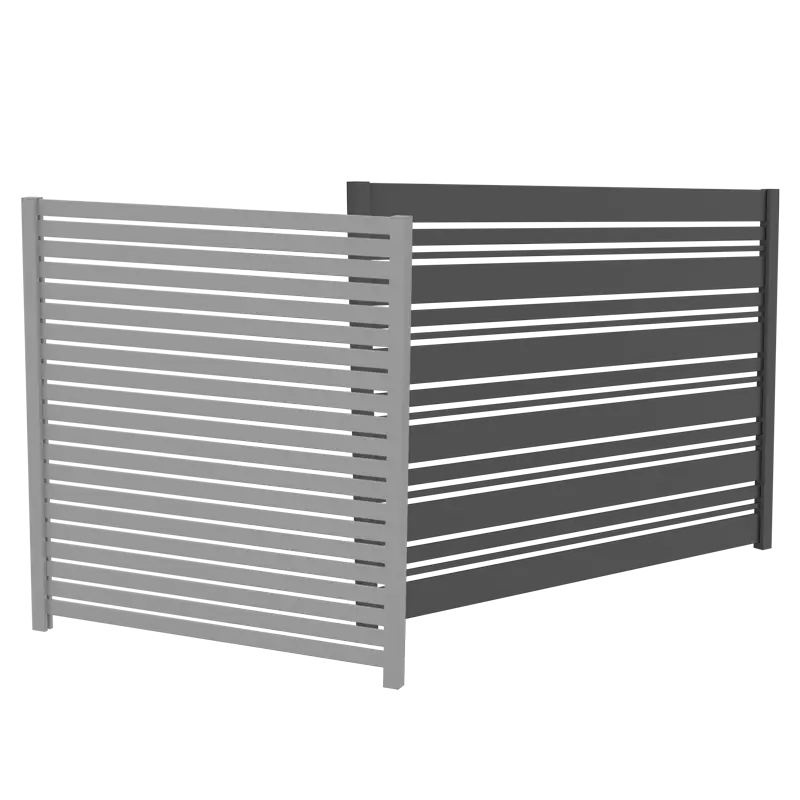
Zone 0 ChoiceThe true Zone 0 non-combustible choice. Modern horizontal-slat look, matched gates with smart lock options, and aluminum screens for AC and equipment enclosures at the wall.
Vinyl, fire-resistant
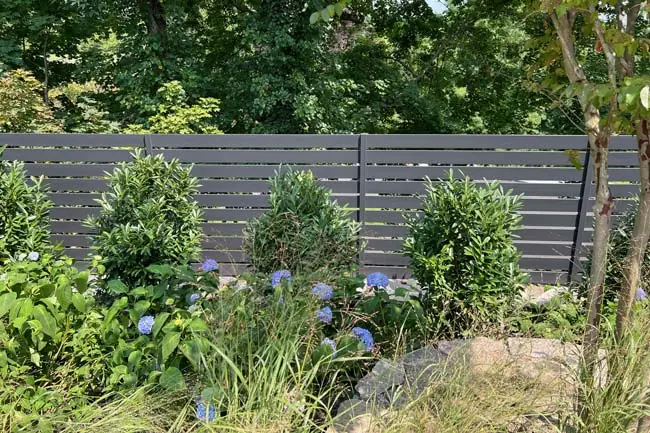
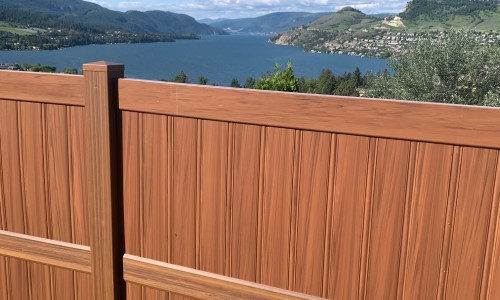
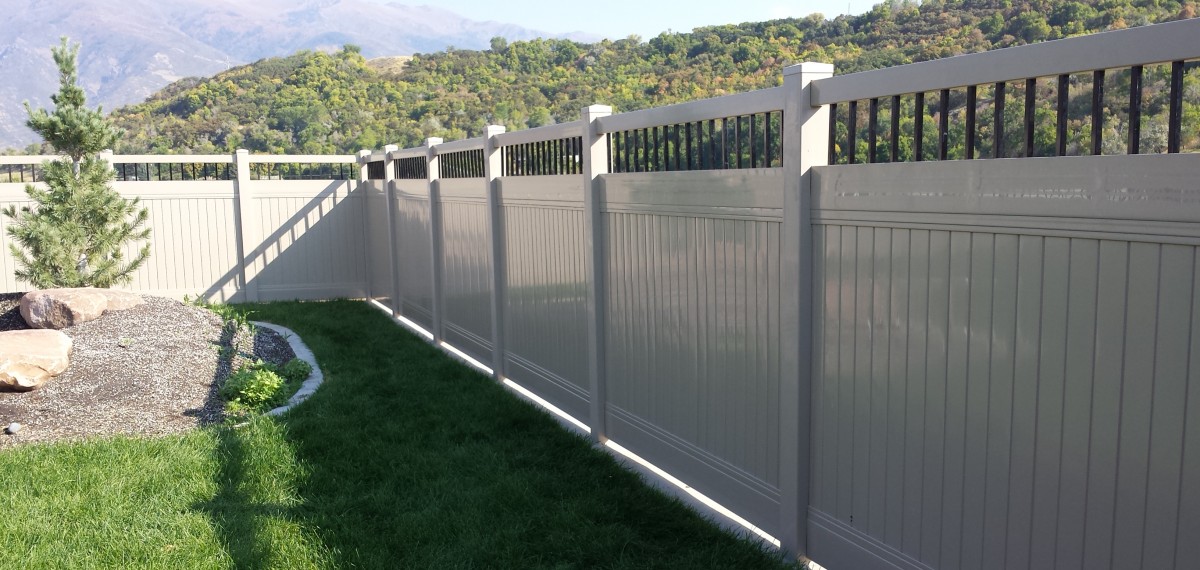
Privacy RunsA fire-resistant upgrade over wood on privacy runs. Available in woodgrain and solid colors. Vinyl does not carry flame the way a dry wood fence does. It is not classified non-combustible, so we specify aluminum for the run at the structure.
Zone 0 Defensible Space
The first five feet decide a lot.
Zone 0 is the 0 to 5 foot ember-resistant zone immediately around a structure, defined under California PRC 4291 and expanded under AB 3074. It is where non-combustible materials matter most because anything that ignites here goes straight into the wall.
Combustible fencing and gates attached to the house sit inside the AB 3074 Zone 0, the first 5 feet around the structure, and are a known ignition path. We bring that zone to a non-combustible standard by installing aluminum fencing and gates at the structure, so a wood run somewhere down the property line is not connected to the wall by a piece of dry lumber.
The state's Zone 0 rules are still being finalized, so exact statewide deadlines are not set yet. Getting the 5 feet right now puts the house ahead of whatever the final compliance schedule looks like.
How We Work
Five steps, no surprises.
01
Free risk assessment
We walk the fence line, gates, and Zone 0 around the structure and flag every combustible run at the wall.
02
Written estimate
Clear scope by run and gate. No pressure, no surprise line items later.
03
Installed to spec
Aluminum at the structure for non-combustible Zone 0, vinyl on privacy runs where appropriate.
04
Documented
Photos and a written summary you can share with your insurer.
05
Careful on site
Trained and fully insured for ladder and roof work. We protect landscape and finishes, clean up as we go, and leave the property as we found it.
Recent Work
Modern lines, no fuel at the wall.
FAQ
What homeowners ask us about fire-resistant fencing.
Is a wood fence really a wildfire risk?
Yes. A combustible wood fence or gate attached to the home is a direct flame path into the wall. Embers ignite dry wood pickets or rails, the fire runs the fence line toward the structure, and once flame reaches siding or an eave, it climbs. Replacing the run and the gate at the structure removes that fuel path.
What is the difference between aluminum and vinyl here?
Aluminum is a non-combustible metal. It does not ignite, so it is the right choice for California's Zone 0 (the first 5 feet around the structure) and for gates that attach directly to the house. Vinyl is fire-resistant and is a real upgrade over wood on privacy runs because it does not carry flame the way dry wood does, but vinyl is not classified non-combustible. In Zone 0 we specify aluminum.
What is Zone 0?
Zone 0 is the 0 to 5 foot ember-resistant zone immediately around a structure, defined under California PRC 4291 and expanded under AB 3074. It is the zone where non-combustible materials matter most because anything that ignites here goes straight into the wall. Combustible fences, gates, mulch, and stored materials in Zone 0 are known ignition paths.
Do you build gates and equipment screens too?
Yes. We install aluminum driveway and pedestrian gates, including gates with smart locks, and aluminum screens for AC condensers, pool equipment, and trash enclosures. Anything combustible attached to or leaning on the house is treated as part of the Zone 0 scope.
Do I have to replace my whole fence?
No. Most homeowners start with the run and the gate at the structure, the section that actually touches the house, then extend from there. We prioritize the highest-risk sections in the free on-site risk assessment so you can phase the work in a way that fits your budget without leaving the wall exposed.
No product, install, or risk assessment can guarantee that a home will survive a wildfire.
Free On-Site Risk Assessment
Take the fuse off your wall.
Book a free on-site risk assessment. We walk your fence line, gates, and Zone 0, and put a written scope in your hands. Monday through Saturday, 8am to 6pm.