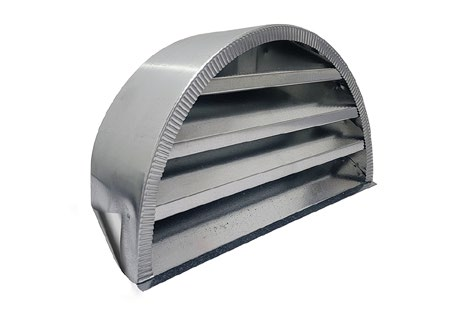
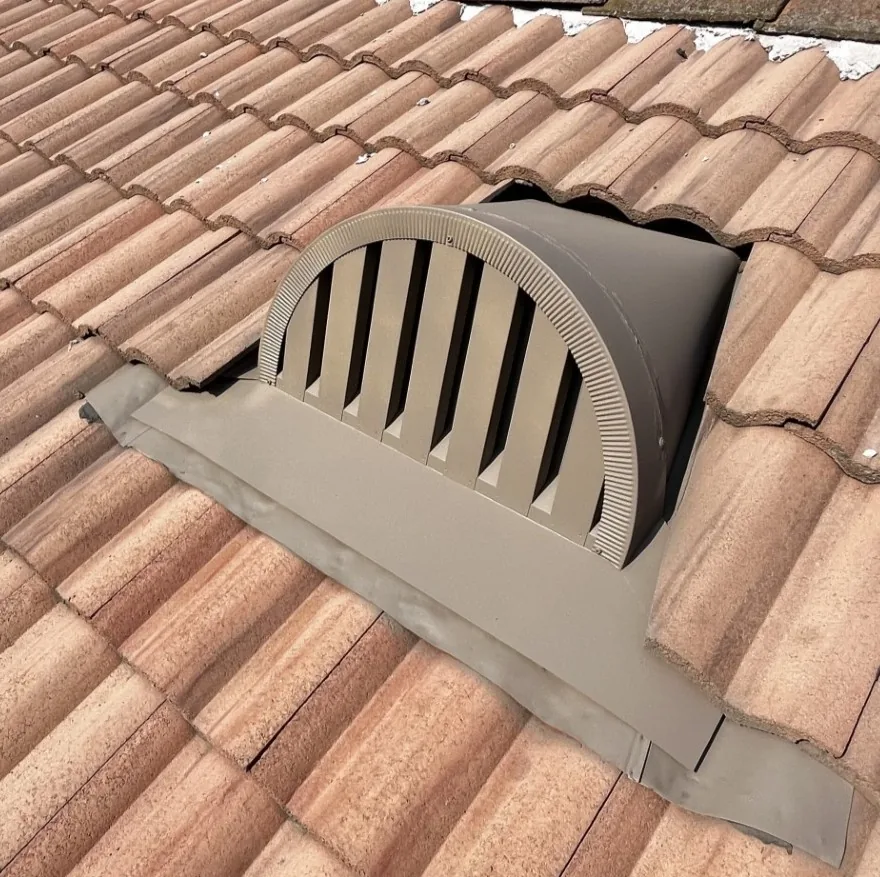
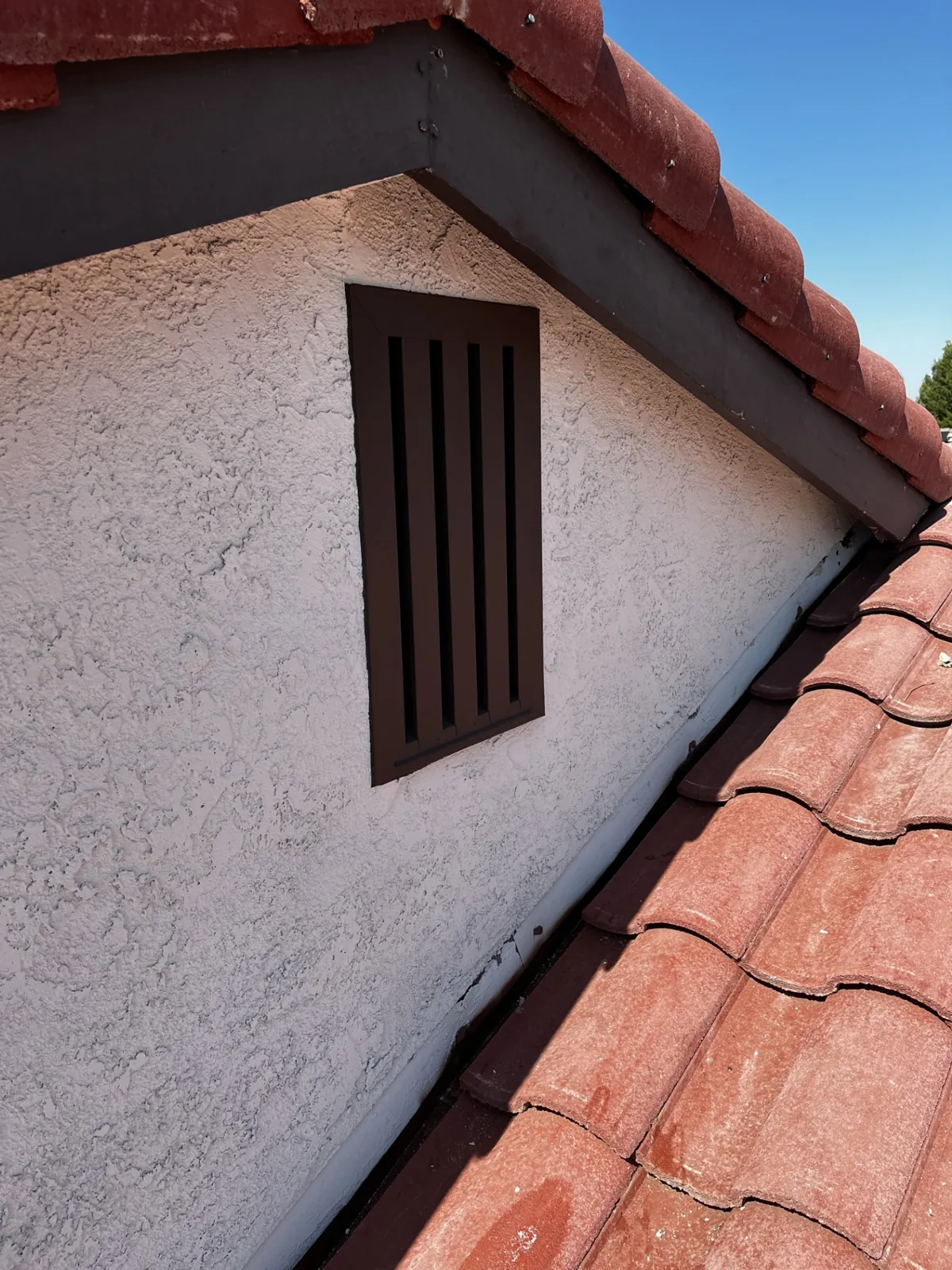
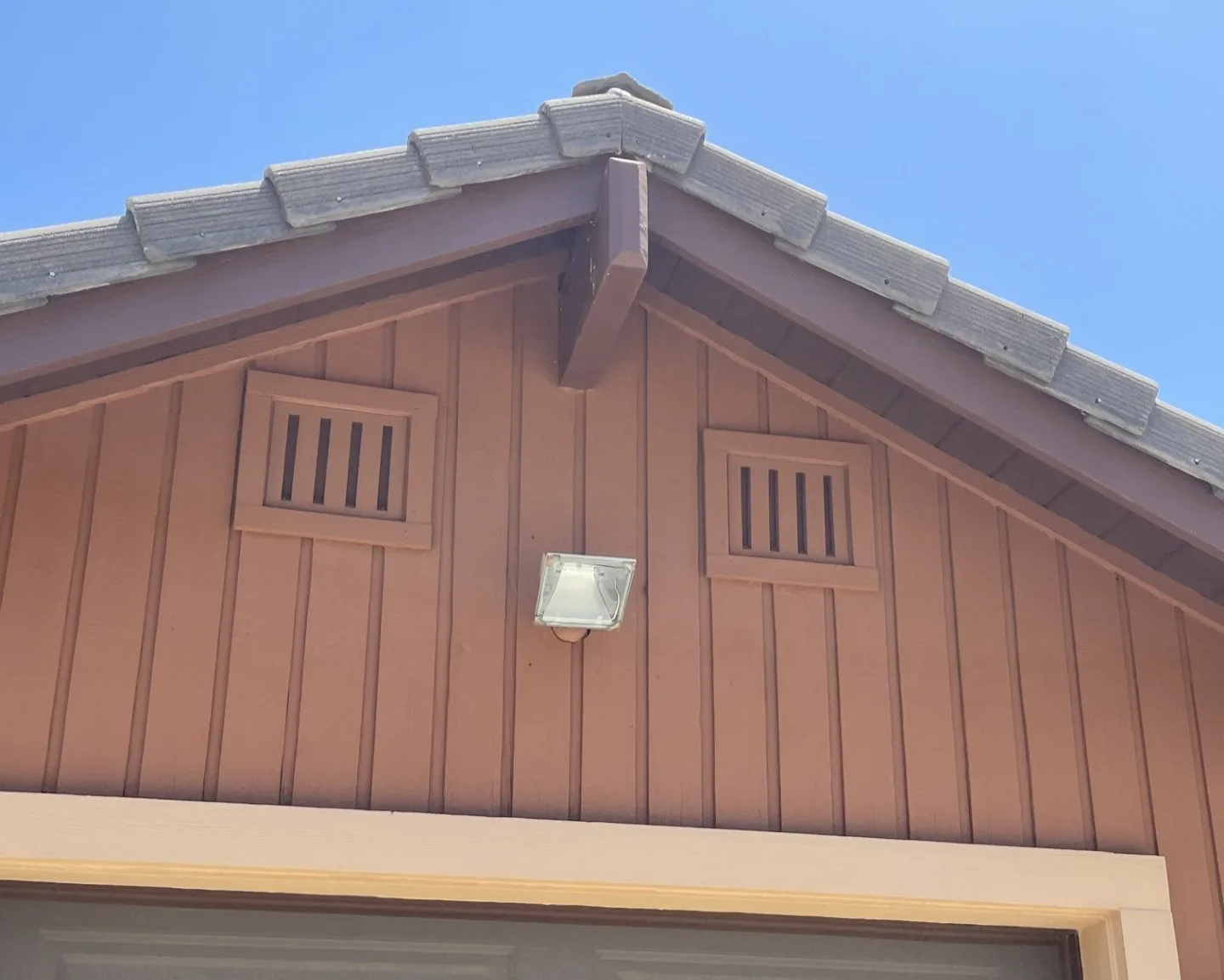
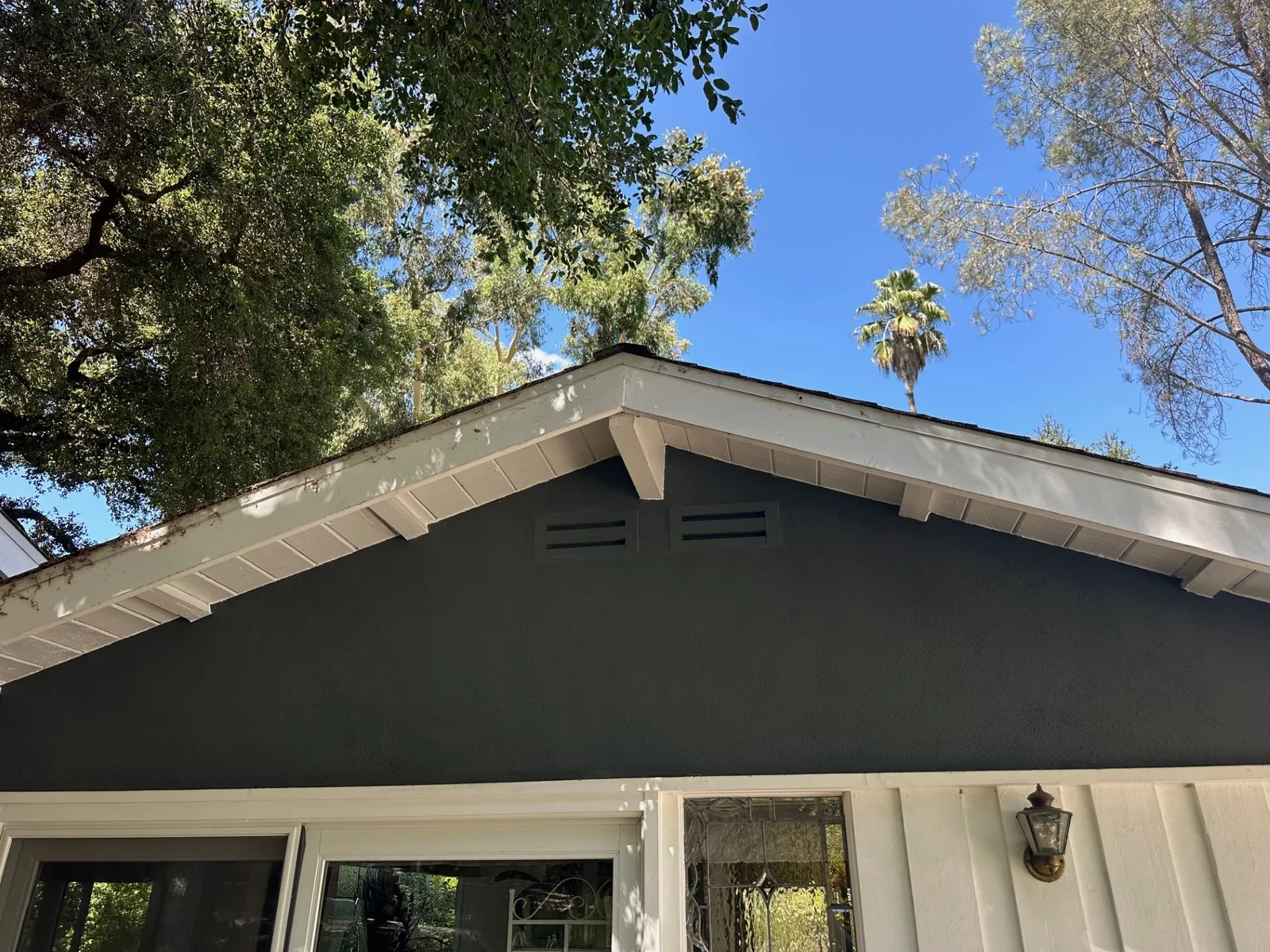
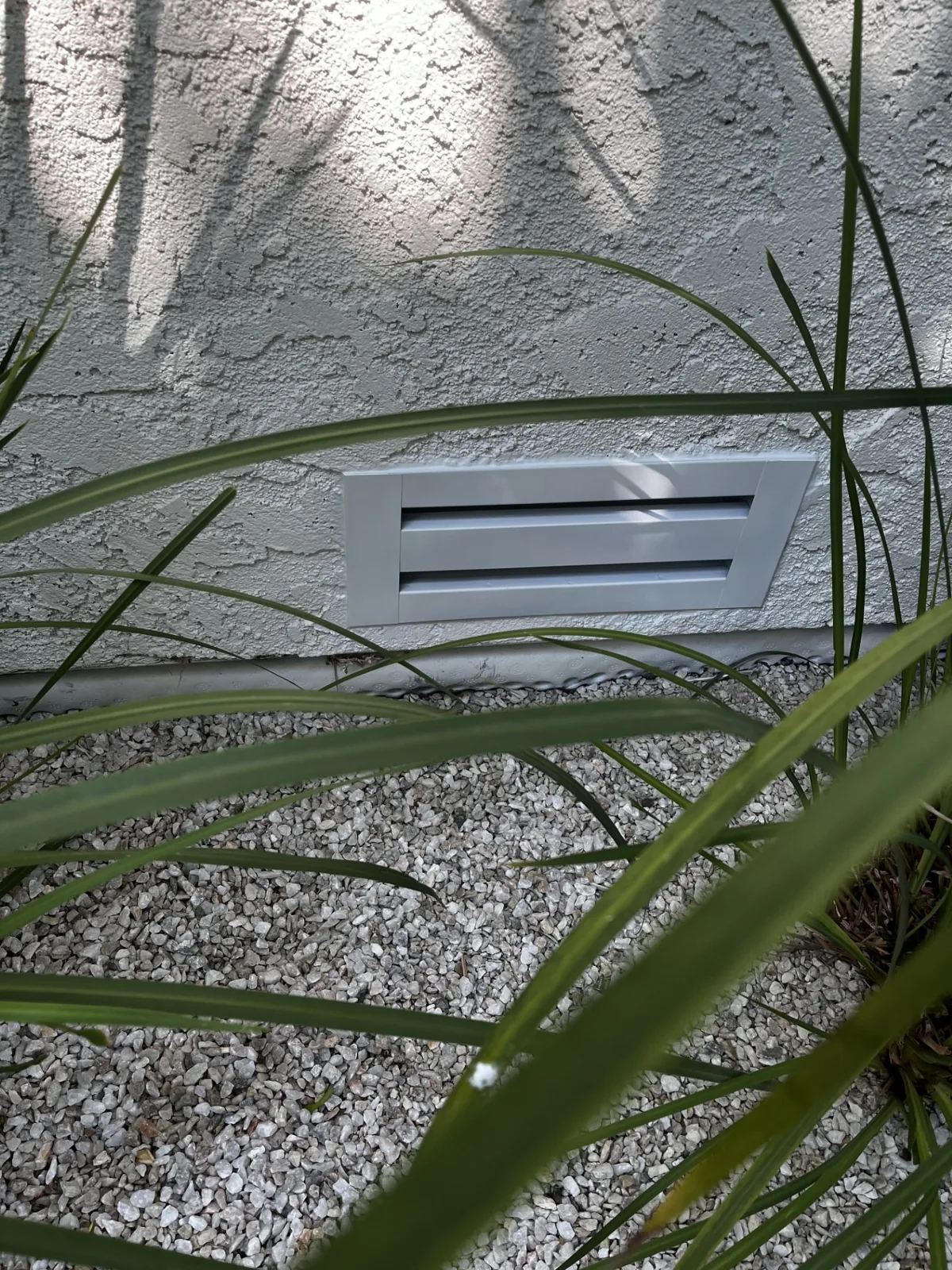
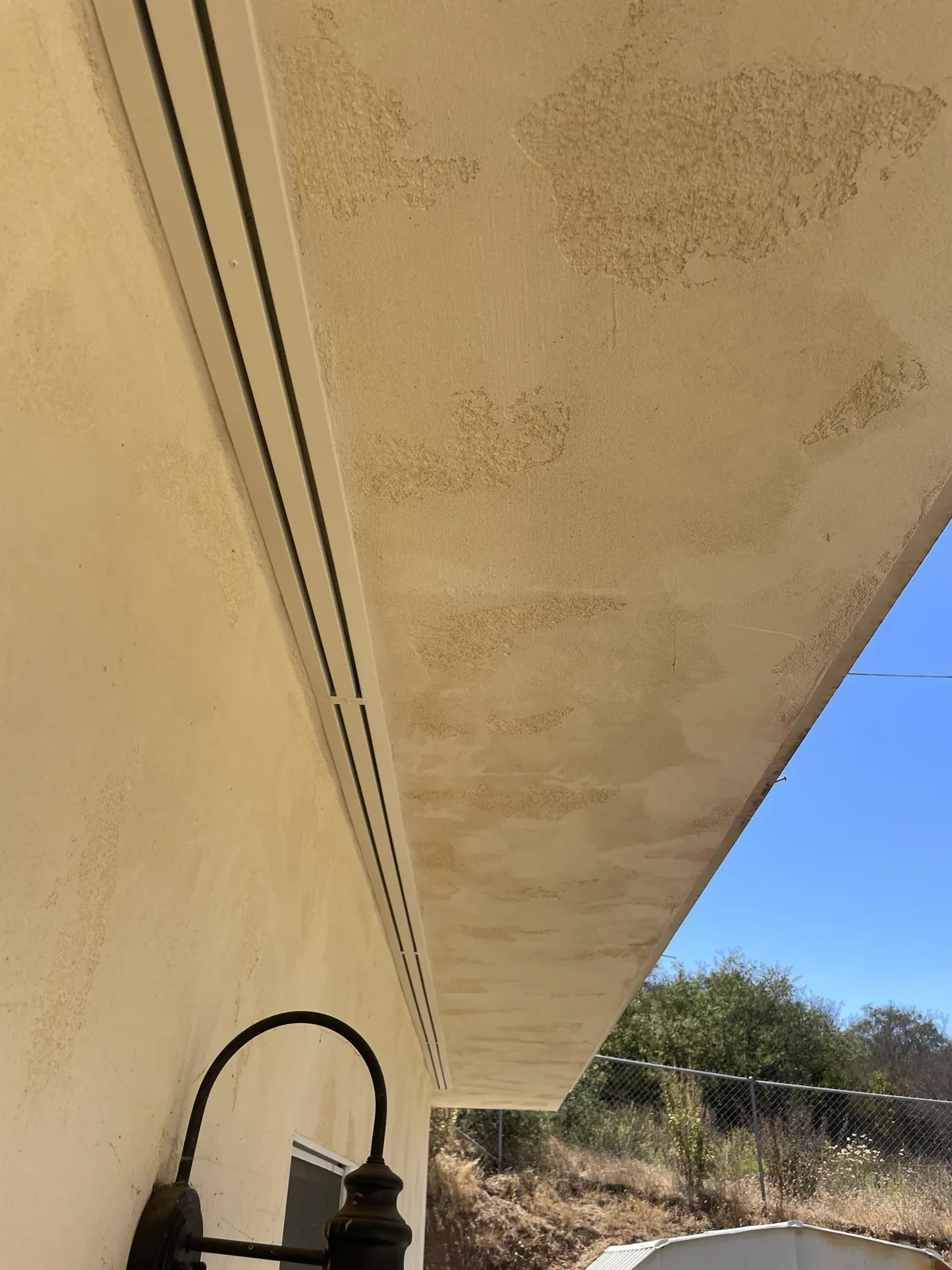
Wind-driven embers can travel more than a mile ahead of an active flame front. They land on rooftops, in gutters, against fences, and, most dangerously, straight into your attic and crawlspace through standard louvered vents that were designed for airflow, not fire.
Once inside, a single glowing ember can ignite stored belongings, exposed framing, or insulation. The exterior of the home often looks untouched for the first hour. Then it burns from the inside out. This is how most homes are lost in a wildland-urban interface fire.
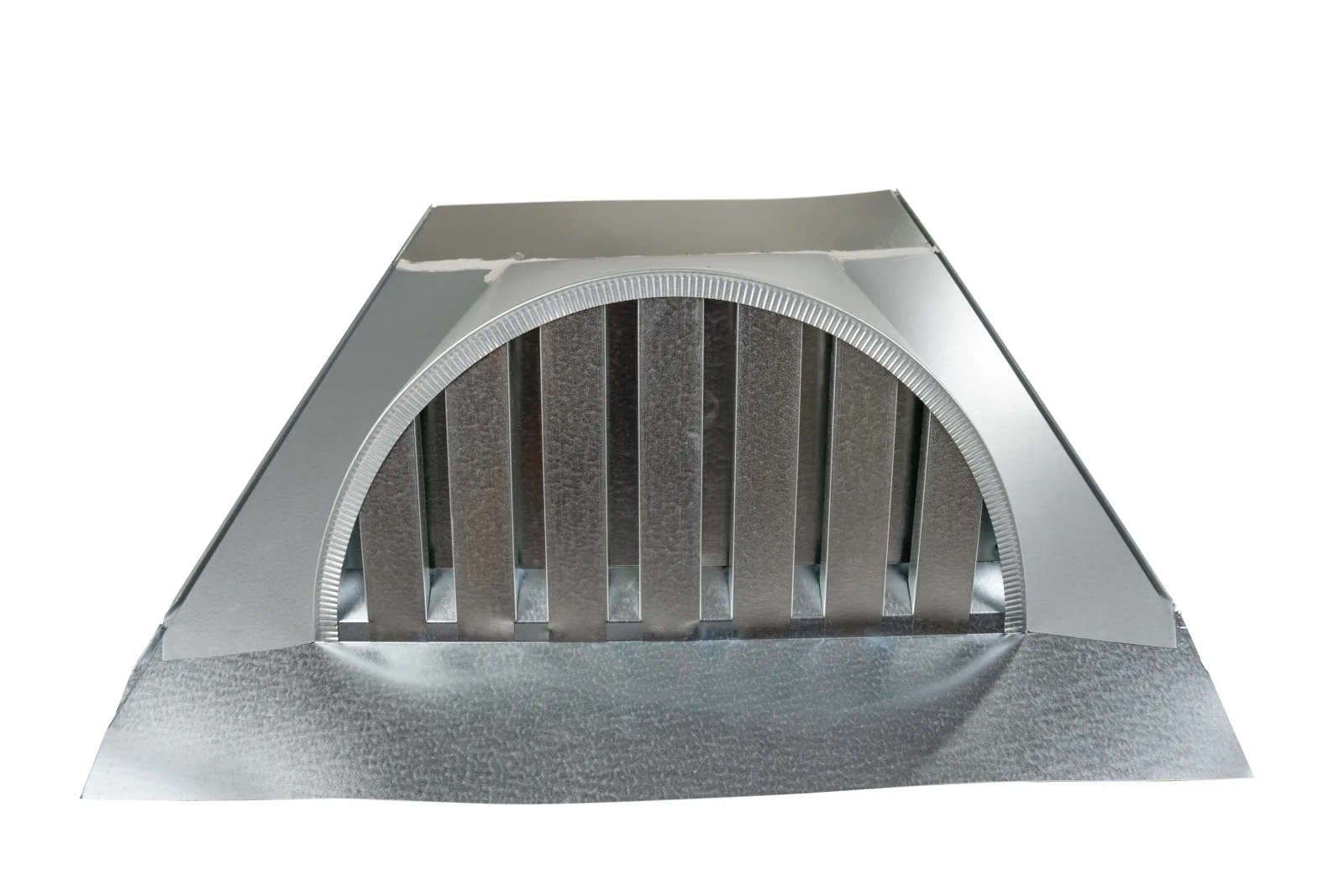
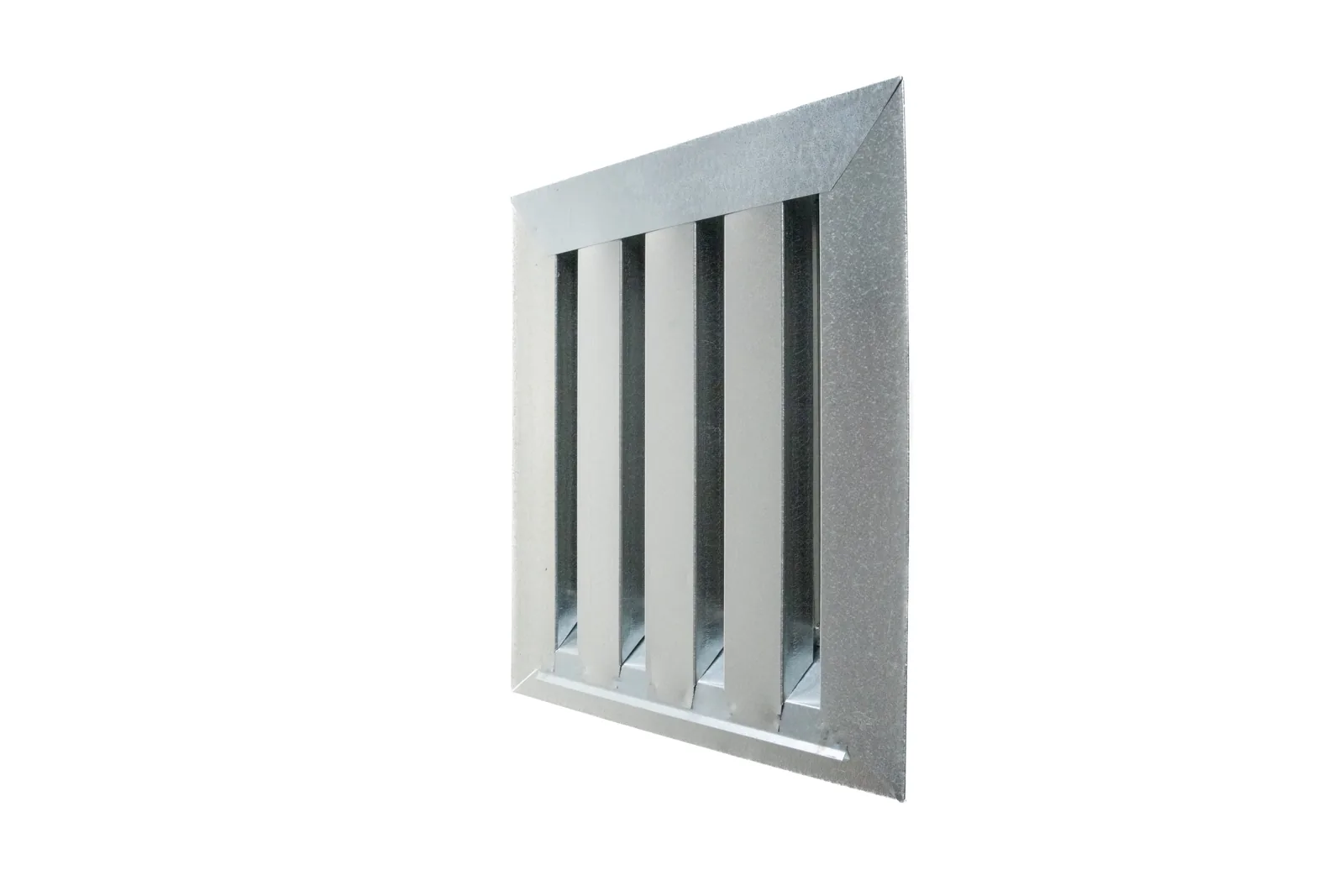
A fire and ember safe vent replaces that open pathway with a listed assembly: a baffle that blocks windblown embers, a 1/16 inch noncombustible metal mesh, and an intumescent seal that expands under heat and closes the opening. It still meets net free ventilation area requirements when the home is not on fire, and it shuts itself when it is.
California's WUI code, formerly Chapter 7A of the Building Code and now the California Wildland-Urban Interface Code (CWUIC) in Title 24 Part 7, requires listed ember-resistant vents on homes inside a Fire Hazard Severity Zone. Insurance carriers increasingly ask for the same before they will renew a wildfire policy or issue a new one.